
Modern marketing is full of abstract language. Impressions. Reach. Click-through rates. Yet the real economy is not built in dashboards. It is built on roads, movement, labour, and people showing up every day to take responsibility for their own futures.
This is why billboards continue to matter in South Africa.
Not as relics of an earlier era, but as one of the few marketing tools still rooted in physical reality.
Visibility where life actually happens
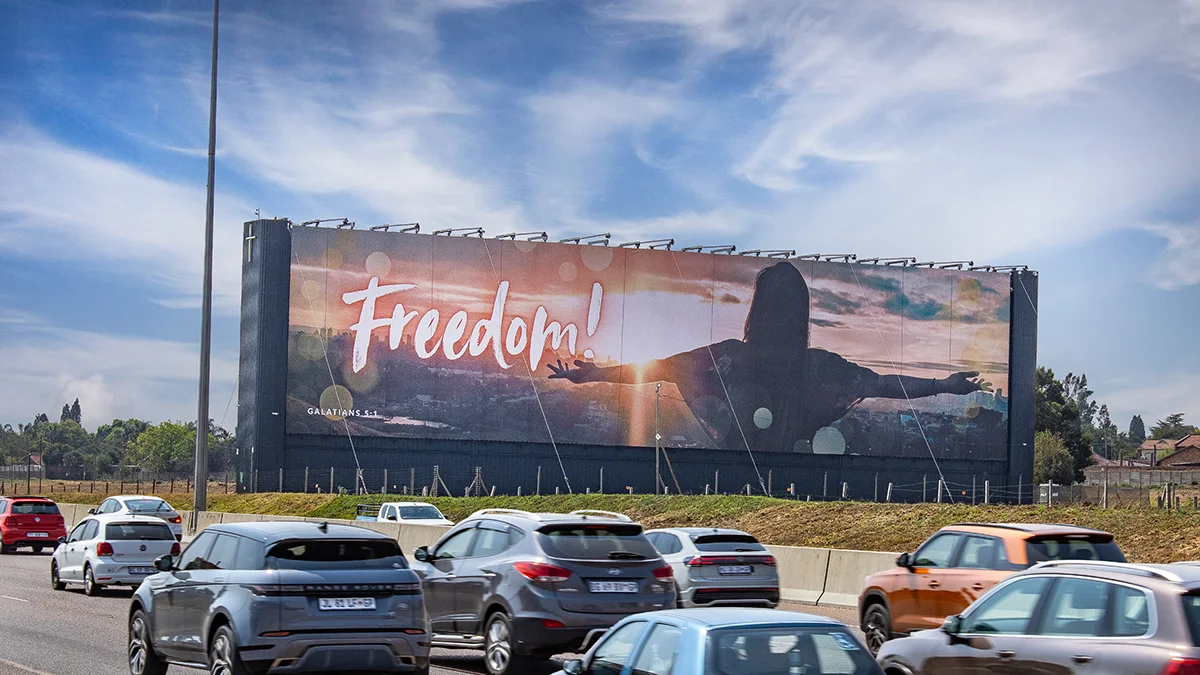
South Africa is a country in motion. Millions of people spend hours each day travelling to work, transporting goods, running small businesses, and holding communities together through ordinary, disciplined effort. Our highways and arterial routes are not just transport corridors. They are economic lifelines.
A billboard placed along these routes does not interrupt. It accompanies. It becomes part of the shared landscape of work and movement. Seen again and again, it settles into memory and builds something more durable than attention. It builds trust.
In a society where consumers are cautious and credibility matters, familiarity is not trivial. It is foundational.
Repetition as a signal of seriousness
Repeated exposure is often misunderstood as noise. In reality, repetition is reassurance.
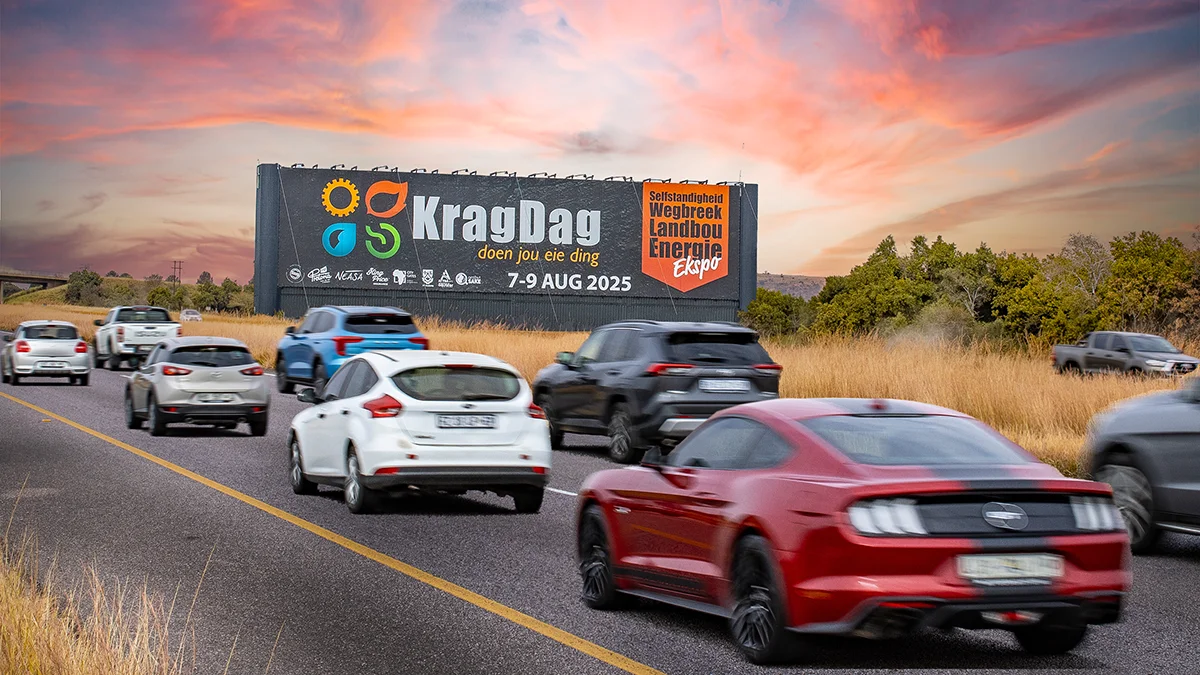
A brand that shows up consistently in the same physical place signals stability and commitment. It tells the public that this business is willing to be visible, accountable, and rooted in the communities it serves.
Large-format outdoor advertising sends a clear signal. This brand intends to endure.
The difference between space and place
Not all billboards are equal.
Some exist merely as rented space. Others exist as places with meaning.
There is a difference between placing a message anywhere and placing it where people are actually working and trading. Entrances into cities. Routes to industrial zones. Roads travelled daily by workers, entrepreneurs, families, and traders.
These locations are not neutral. They are hubs of independence and self-reliance. They are where people leave home to earn, build, and contribute. Where effort still precedes reward.
That distinction shapes everything that follows.
Where City Gates quietly stands apart
City Gates was built on the conviction that visibility should mean more than exposure.
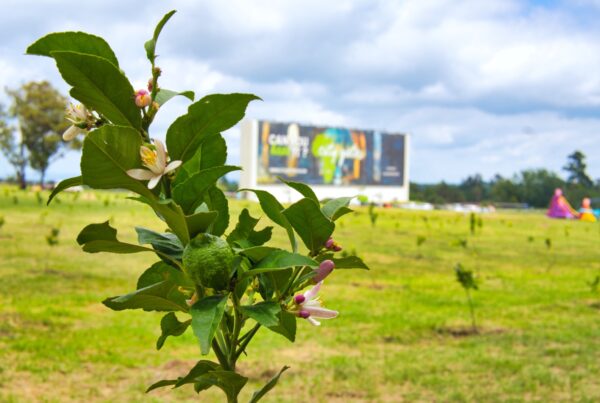
The land on which City Gates’ billboards stand is not passive. It is actively used to unlock opportunity. Through training initiatives and entrepreneurial projects, unemployed people are equipped to become self-employed, to work the land, to learn skills, and to generate income with dignity.
These are not hand-outs. They are hand-ups.
By activating people where the billboards stand, City Gates turns visibility into participation. Brands displayed at these gateways are not only seen by the real economy. They are connected to it. Marketing spend becomes an investment that helps restore agency, build competence, and open pathways to independence.
In this way, a billboard with City Gates carries a deeper meaning. It places a brand alongside effort, responsibility, and the belief that people thrive when given the tools to build for themselves.

Measuring value beyond metrics
Billboards are often judged by the wrong standards. Their true value rarely shows up as a single action. It shows up as momentum.
Stronger brand recall. Increased trust in sales conversations. Recognition before explanation. Credibility before persuasion.
Outdoor advertising shapes how people see a brand long before they decide to buy.
A grounded choice in an abstract age
A lot of marketing today happens far from the realities people live in. Public visibility still matters because it shows up where life actually happens.
Billboards, when used with intention, reconnect brands to people. To movement. To effort. To the everyday work that sustains communities.
That is the real economy.
And investing in it is not only good marketing. It is an investment in someone’s future.